When & Why You Might Move To A Care Home After Discharge From Hospital

The decision to move into a care home after a hospital discharge is rarely sudden or straightforward. More often, it reflects a turning point that has been building over time and sometimes gradually. Perhaps through small changes in mobility or memory, and other times abruptly, following a fall, illness, or unexpected hospital stay. What might have once felt manageable at home can begin to feel uncertain, even unsafe and the question shifts from “Can we cope?” to “What is actually best now?”
For many families across the UK, this moment marks the beginning of a deeply emotional and often complex decision. It’s not just about care needs on a potential care plan, it’s about balancing independence with safety, familiarity with support and hope with realism. There can be a sense of urgency, especially when discharge timelines are tight, but also a need to pause and understand what has really changed and what kind of care will be sustainable moving forward.
In this blog, we’ll explore the key reasons why a care home can become the right option, as well as the moments when that decision tends to arise. By looking more closely at both the practical and emotional sides of this transition, the aim is to bring some clarity and reassurance to what can otherwise feel like an overwhelming step.
When Returning Home Might Not Be Safe
For most people, leaving hospital comes with one clear hope: getting back home, back to your own chair, your own kitchen, your own routine. But sometimes, after an illness or a fall, home isn’t quite the same place it was before.
Things that used to feel easy can start to feel uncertain. Stairs might leave you unsteady or the bathroom can become a worry rather than a routine. Even small, everyday tasks like making a cup of tea or remembering when to take medication can take more effort, or carry more risk than they previously did. It’s not always dramatic or obvious when these changes may creep in but by taking note of them it can really start to show a story of changing care needs.
Many people try to push through that feeling, to get back to normal as quickly as possible as they do not want to make a fuss and that’s completely natural. But safety at home depends on more than determination, it relies on things like strength, balance and having someone there if something goes wrong. Research shows that falls are the most common cause of serious accidents among older adults living at home in the UK. Around one in three people aged 65 and over will fall at least once a year, rising to about one in two for those aged 80 and over and these falls are a major reason older people end up in hospital or needing long‑term care support.
When those things aren’t as reliable, being at home when alone can become risky throughout every care type that is possibly needed. That’s often when families and professionals start asking a difficult but important question: is home still the safest place right now?


If Care Needs Progress Or Change
Care needs can grow quietly, what starts as a bit of help with shopping or housework can turn into support with washing, dressing, or moving around safely. In other cases, health conditions become more complex, or less predictable, making it harder to manage day-to-day life at home.
Families often adapt as much as they can, adjusting routines and stepping in where needed. But there can come a point where the level of care required goes beyond what occasional visits or short care calls can realistically provide. It’s not just about the amount of help, but the consistency of it, knowing someone is there when they’re needed, not just at set times. When care needs begin to change in this way, a care home can offer a more stable and supportive environment, where help is always close by.
A Care Home Can Improve Quality Of Life
It’s easy to think of a care home as a last resort, but in the right circumstances, it can genuinely improve someone’s day-to-day life. After a hospital stay, when everything feels uncertain, having consistent support can bring a sense of stability that’s hard to recreate at home. Meals are regular, medication is managed properly and there’s always someone nearby if help is needed. That alone can ease a lot of anxiety for both the individual and their family.
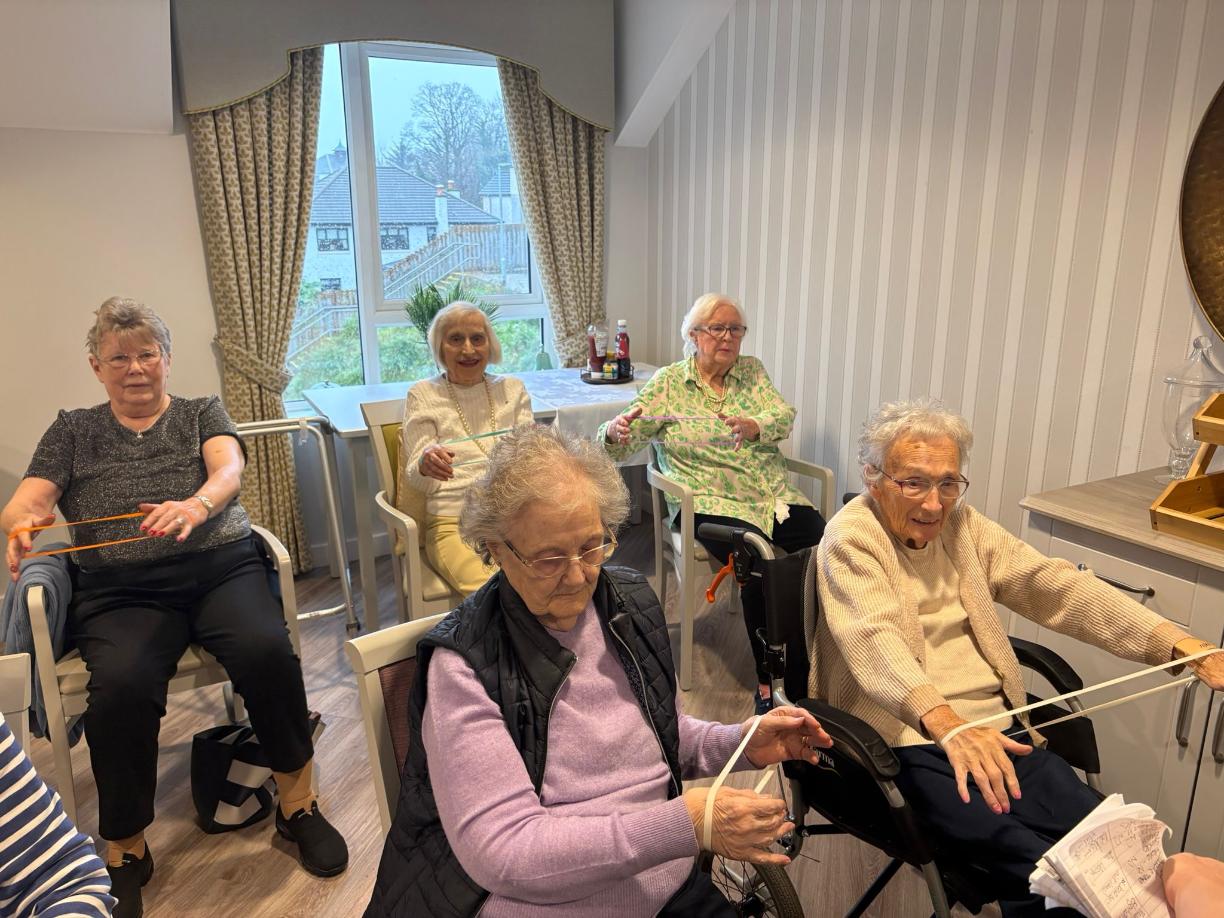
But it’s not just about practical care, the right environment can also bring back a sense of routine, connection and even enjoyment. Being around others, having access to activities and not feeling isolated can make a real difference over time. Newer UK research highlights key ways care homes help older people not just live, but thrive, including opportunities for meaningful social interaction, activity, feeling secure, and maintaining dignity and health.
What You Should Ask Before Making Any Decisions
When everything is happening quickly, it’s easy to feel like you have to say yes to the first option in front of you. But asking the right questions, both at the hospital and when speaking to a care home, can make a huge difference in feeling more confident about what comes next.


At the hospital, it’s important to understand the bigger picture. You might ask: Is this a temporary move for recovery, or is longer-term care likely? What level of support is actually needed day-to-day? Has a full assessment been done, and what options do we realistically have? It’s also worth asking what support could be put in place if returning home is still being considered.
When speaking to a care home, the focus shifts slightly. Questions like: How will you support their specific needs? What does a typical day look like? How do you handle changes in health or mobility? can help build a clearer picture. It’s not just about availability, it’s about whether it feels like the right fit for you or your loved one.
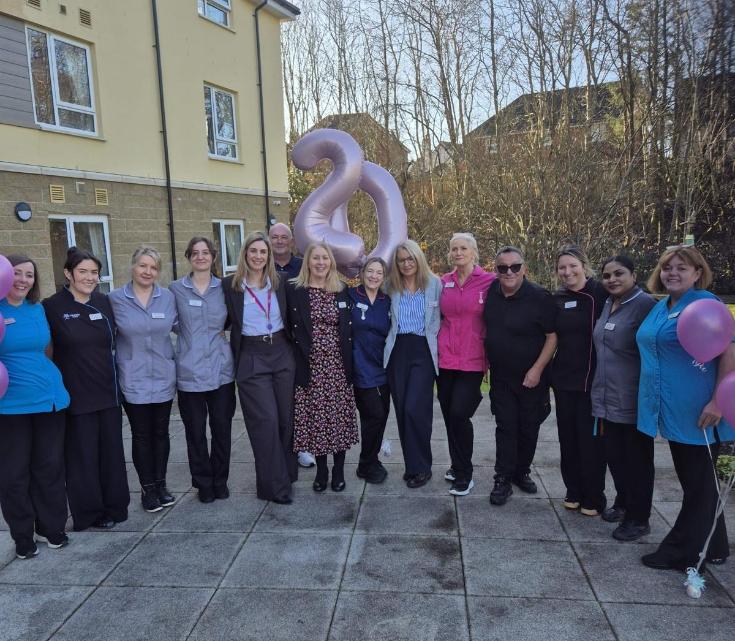
Taking a bit of time to ask these questions can help turn a pressured decision into a more informed and reassuring one at such an emotional time for all. Deciding on care for yourself or a loved one isn’t easy but you don’t have to face it alone. At Mearns View, we focus on creating a safe, supportive, and welcoming environment where residents can feel comfortable, cared for, and valued.
Whether you’re considering a short-term stay after hospital discharge or a longer-term move, our team is here to guide you every step of the way. From personalised care plans to engaging daily activities, we aim to make life easier, safer, and more fulfilling.
Contact Mearns View today to arrange a visit, speak to our care team, or find out more about how we can support your next chapter. Let us help make this transition as smooth and reassuring as possible.